



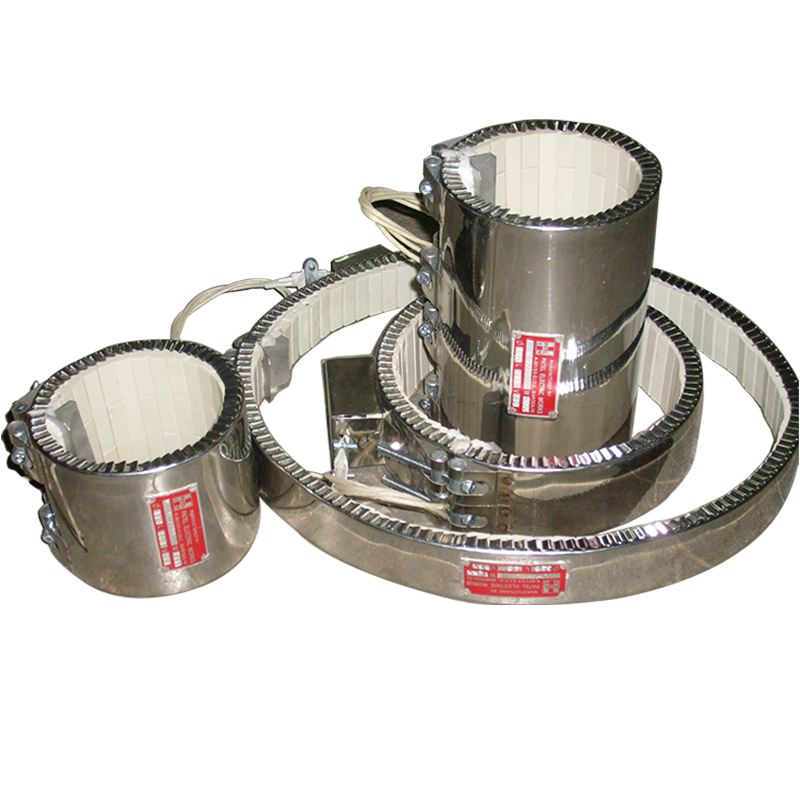
Ceramic Band Heater
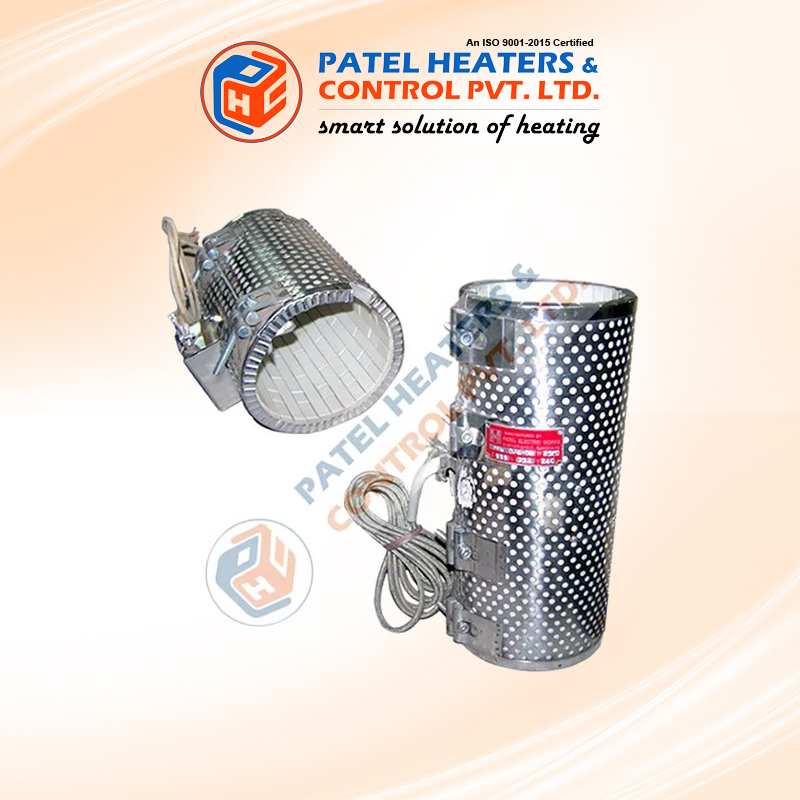
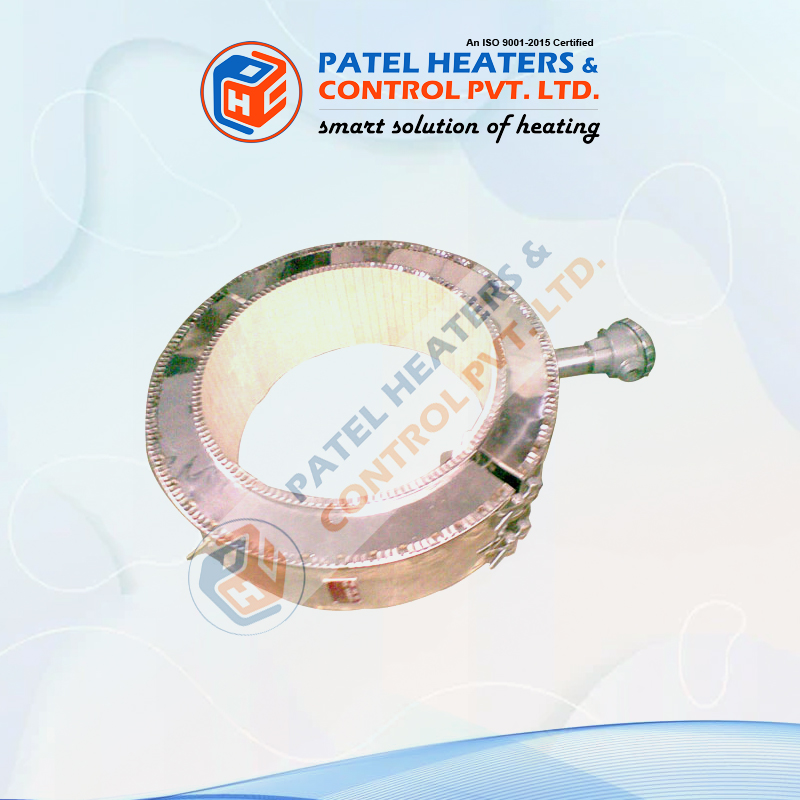
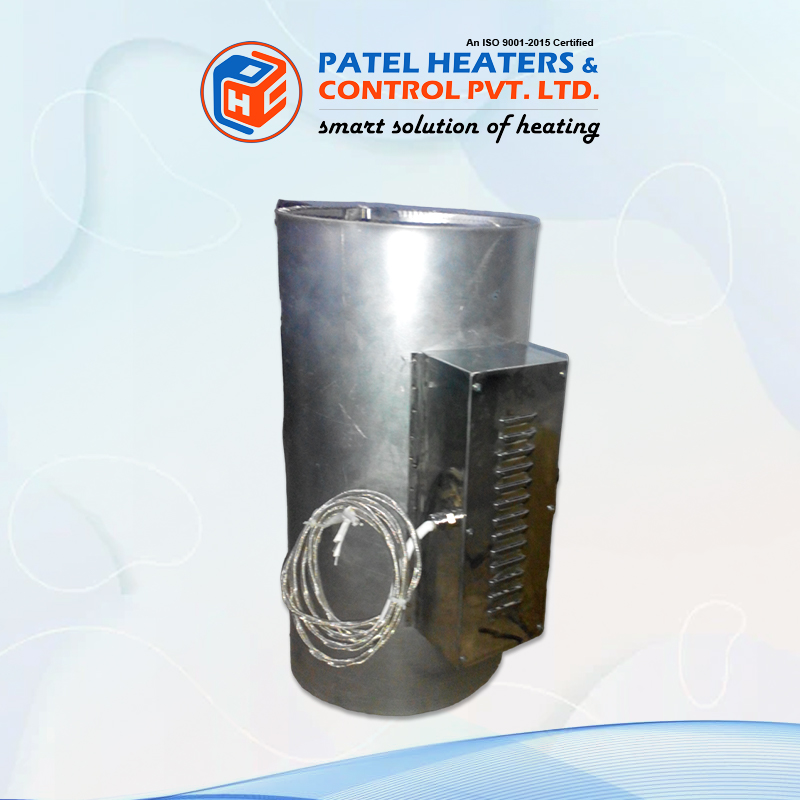
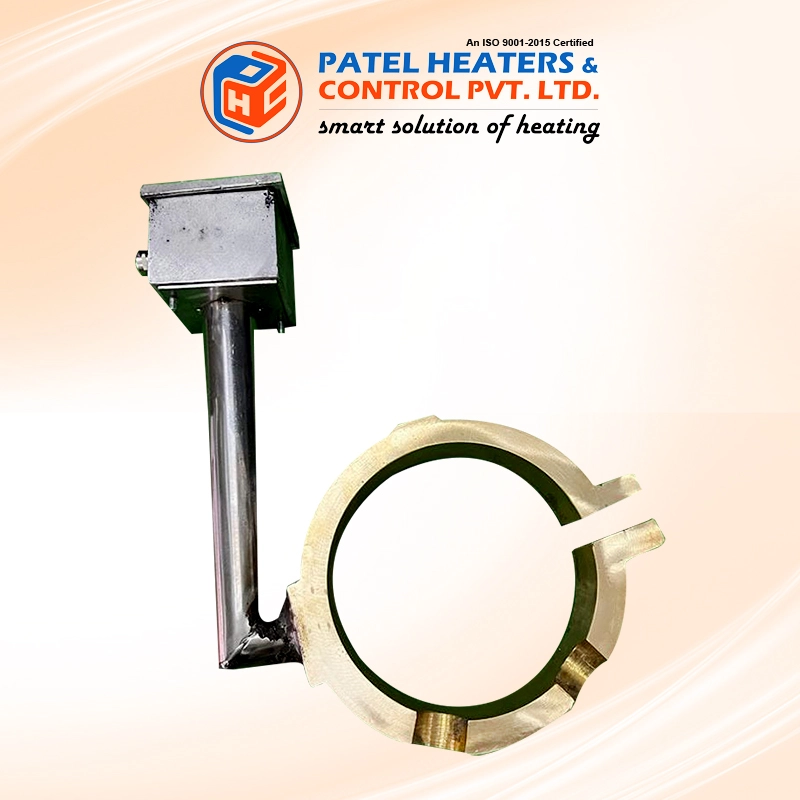
We are involved in production and supply of high end Ceramic Band Heater in India.
Made from superior quality ceramic materials, our Ceramic Band Heaters comes with wounded helical nickel chrome resistance coil over steatite ceramic cores. These high quality materials are processed using advanced technology and given a shape of unique construction design that makes them perform better than any other product available in the market.

For Your Service
(+91) 992-582-2226
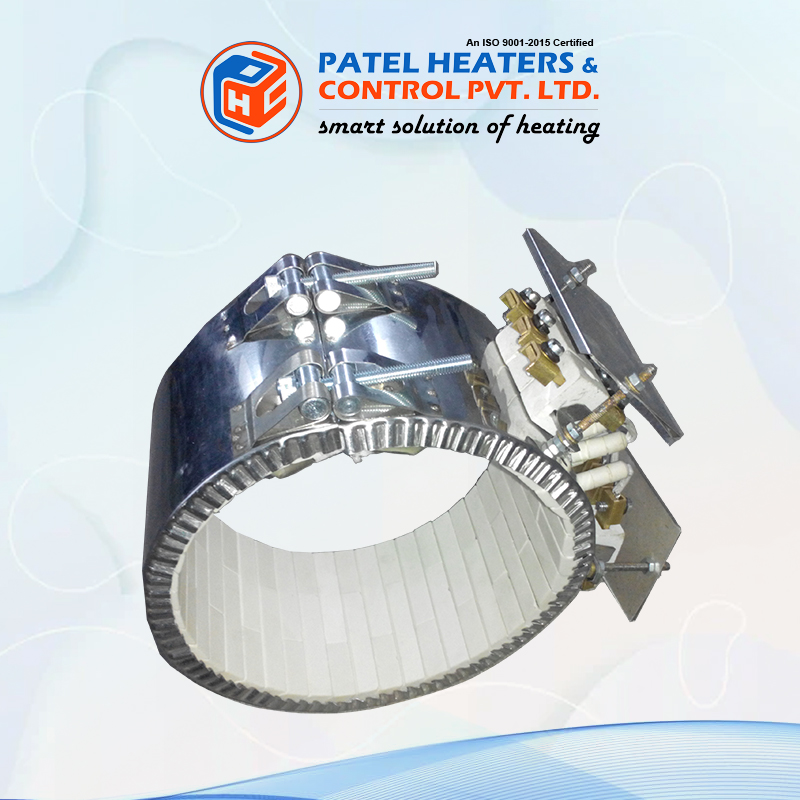
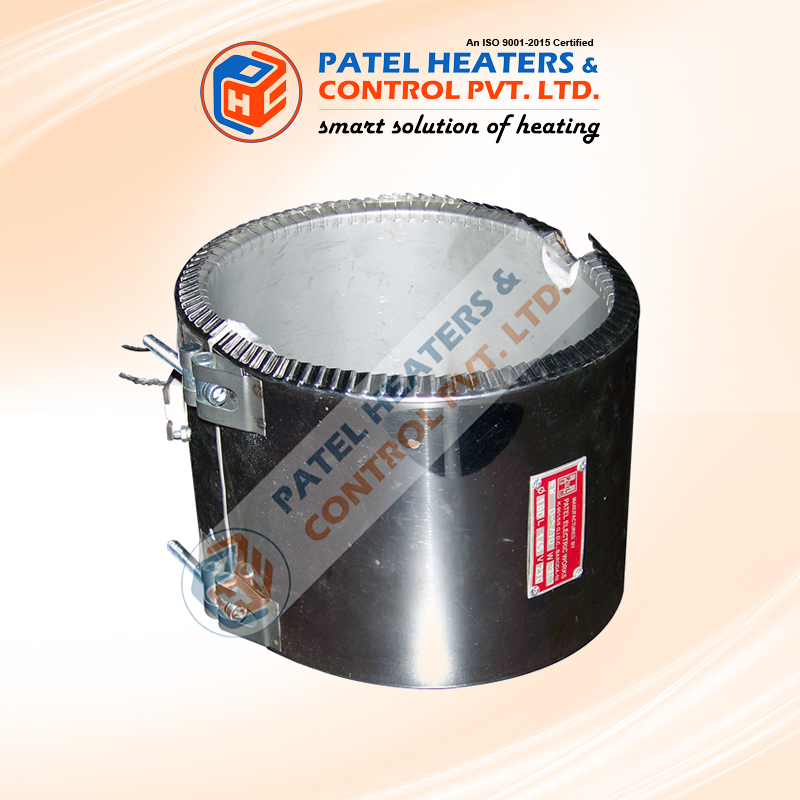
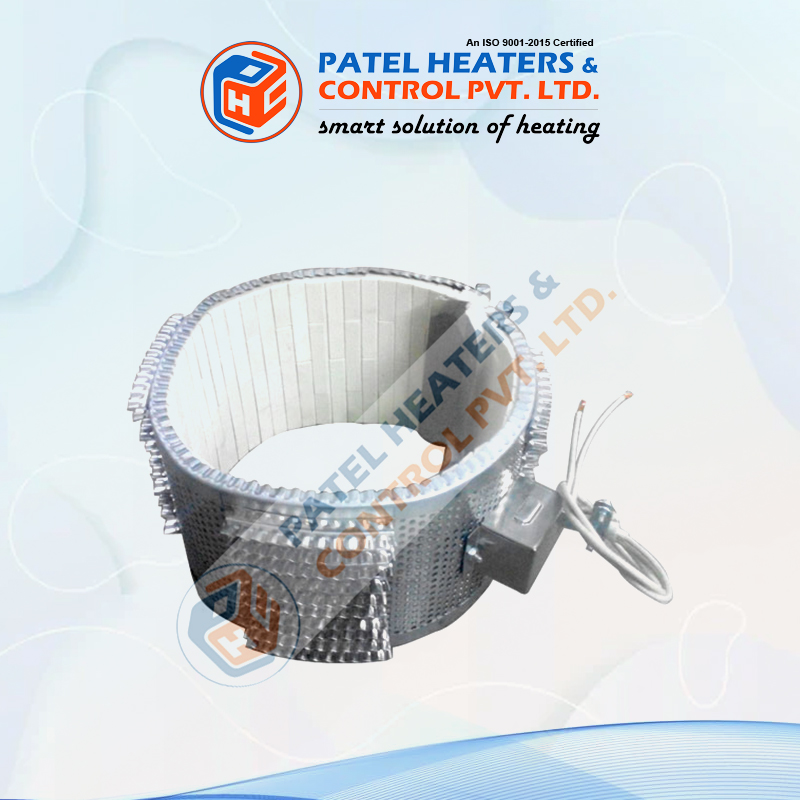

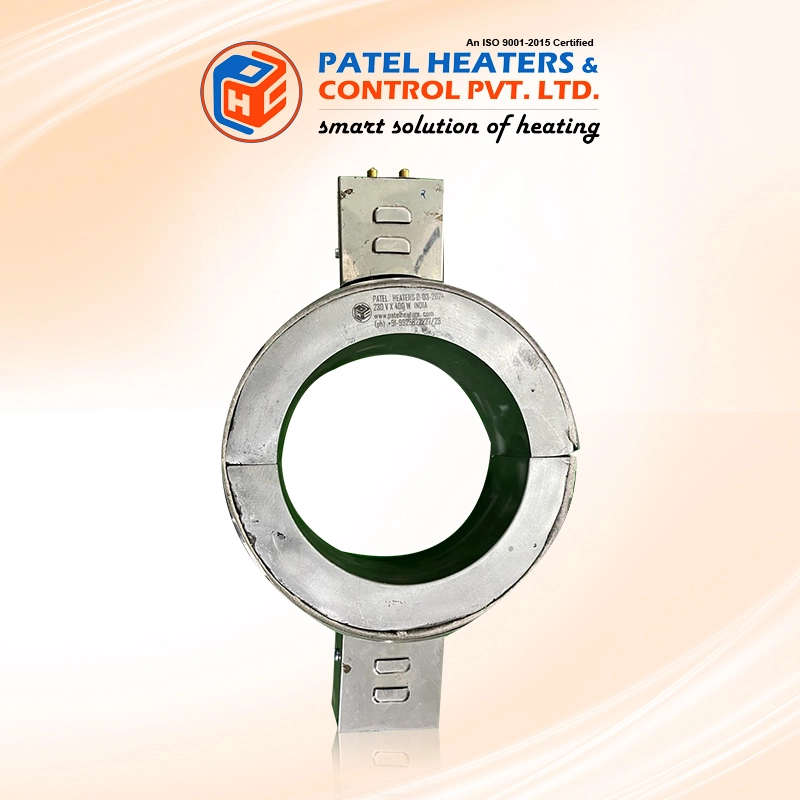
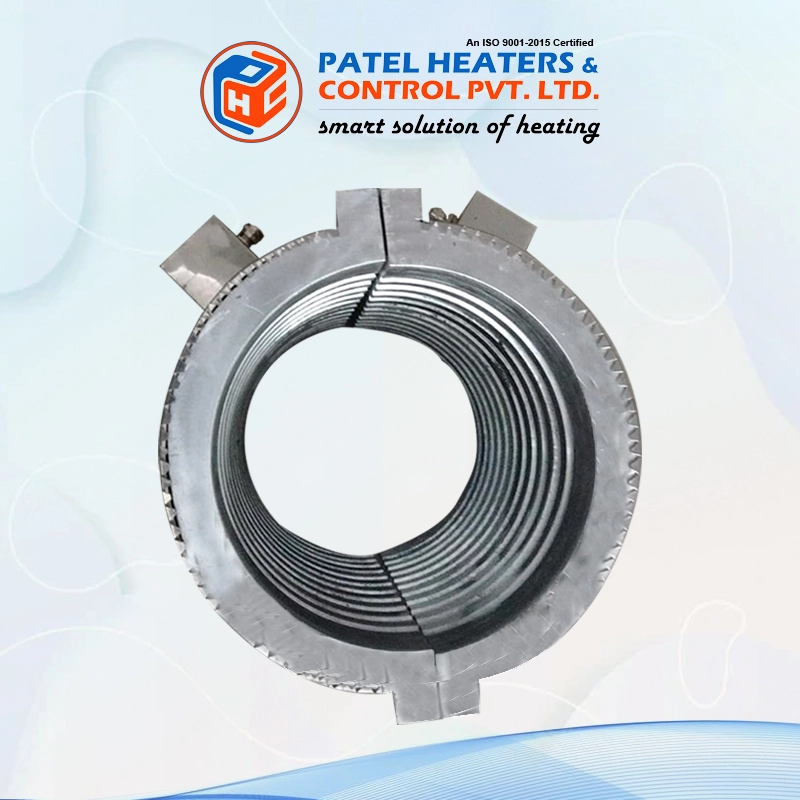
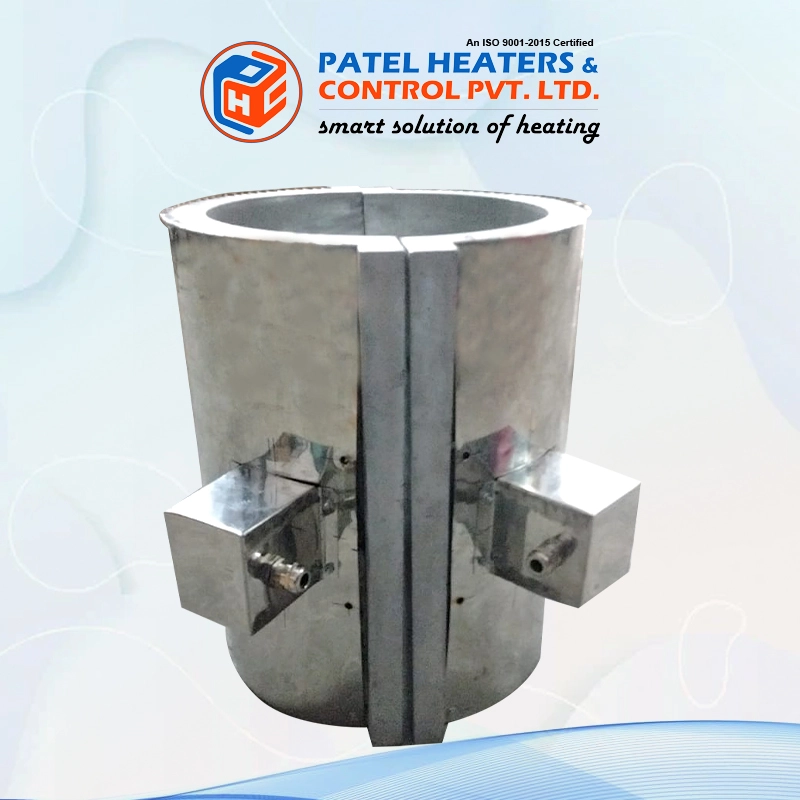
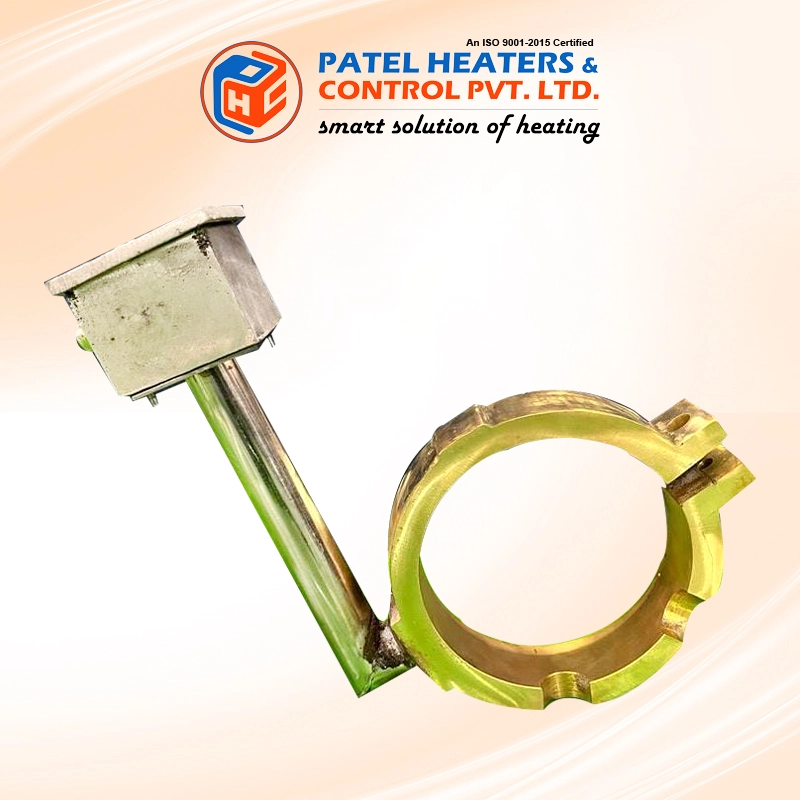


Features Of Our Product
- Made from premium quality ceramic materials
- Unique construction design with ceramic fibre insulation
- Diverse temperature range
- Reduces power usage by upto 20-30 percent
- Different configuration & specifications available

Applications
- Extruder applications
- Injection and blow moulding
- Plastic processing industry
Technical Data
- Maxi. Watt density in Ceramic = 45w/Sq. inch
- Temperature in Ceramic up to 1200ºc
- Nickel chrome resistance wire
- Ceramic insulation
Know More
Choose Our Ceramic Band Heater With Premium Features
Ordering Info. Required
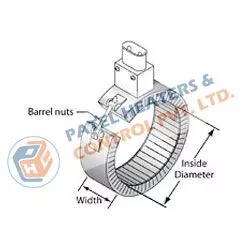
- Width
- Inside diameter
- Type of termination
- If hole or cut require
- Drawing or photo if necessary
- Volt & Wattage Require
- If 2 piece, watts and volts of each half
CLAMPING CONSTRUCTIONS
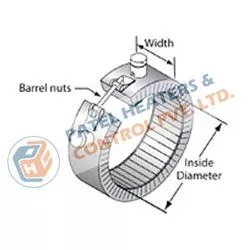
Piece Construction
Ceramic heaters can be opened fully. (Shown with ceramic terminal covers)
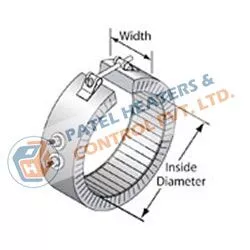
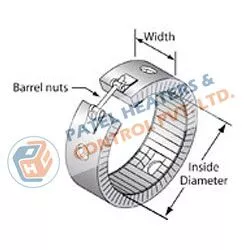
Built-in Strap
Barrel nuts provide secure and strong clamping. Also available in spring loaded designs for larger diameters
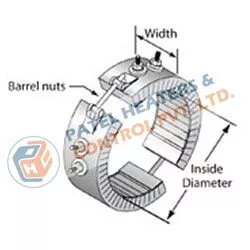
Piece Construction
Ease of installation in difficult locations. Recommended for diameters larger than 15″.
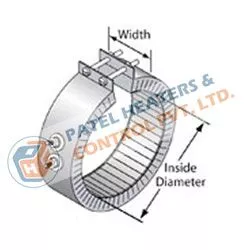
Bent up flange
Available in any termination style and is only recommended for narrower designs.
Holes and Cutouts
Allows for installation of thermocouples and transducers and give clearance for mounting bolts.
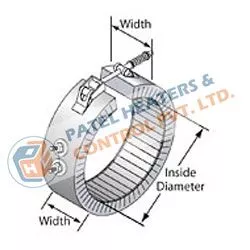
Latch and Trunion
Spring loaded clamping is recommended for larger diameter band and in applications where the heater is mounted horizontally.
WIRE LEAD TERMINATIONS
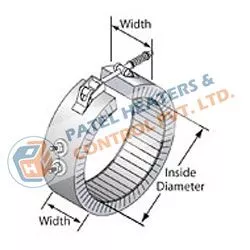
Partial Coverage Band
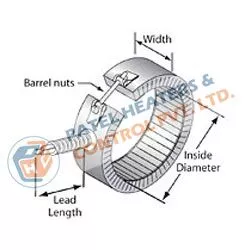
Armor cable with fiberglass leads
Specify location and length of leads at time of order.
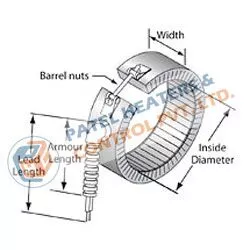
Right angle armor cable with fiberglass leads
Specify location and length of leads at time of order.
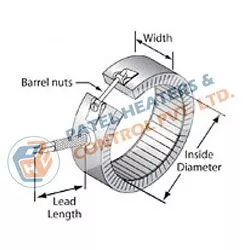
Metal braid with fiberglass
leads
Specify location and length of leads at time of order.
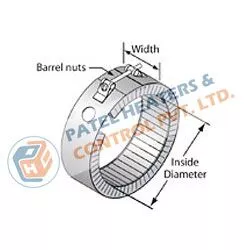
Shell Overlap
The metal strap is continued over the gap and a hole is provided. This allows for thermocouple mounting without a hole in the heater.
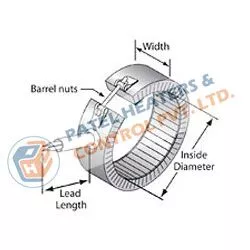
Fiberglass leads with protective sleeve
Specify location and length of leads at time of order.
THREADED TERMINALS
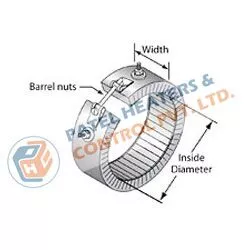
10-32 Threaded Terminals
Minimum width required 7/8″
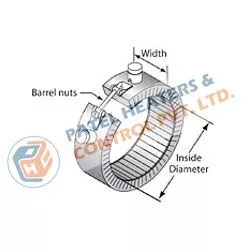
Ceramic Terminal Covers
Available on all threaded terminals. Covers available separately
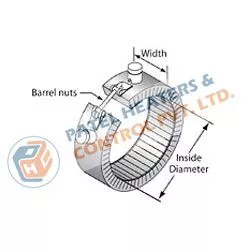
10-32 Threaded Terminals
Minimum width required 7/8″-Specify location at time of order
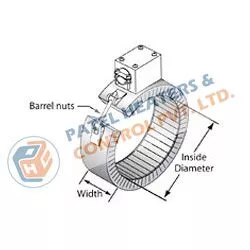
Sheet Metal Terminal Box
Available with T2 and T3 threaded terminals.
10-32 Threaded Terminals
Minimum width required 2.00″-Specify location at time of orde
European Plug
Also available in 90 degree construction- Specify location at time of order.
Frequently Asked Questions
Width and inside diameter, to start with. Then the type of termination you want, whether holes or cutouts are needed, and the voltage and wattage. If it’s a 2-piece construction, let us know the watts and volts for each half separately; a drawing or photo also helps if you have one.
The ceramic band heater can go up to 1200°C, with a maximum watt density of 45 watts per square inch in the ceramic. Heat comes from a nickel-chrome resistance wire wound around a steatite ceramic core, which is what lets it hold up at such high temperatures.
It comes with ceramic fiber insulation, and that’s the part doing most of the work. This insulation cuts power usage by roughly 20 to 30 percent compared to standard band heaters. Less heat escapes outward, so more of it actually goes into the barrel or the process you’re heating.
Mostly in the plastic processing industry, on extruders, and in injection and blow molding setups. Basically anywhere a barrel needs steady, high-temperature heating from the outside. The ceramic construction handles this kind of continuous industrial use better than most other band heater types.
There are a few clamping options, depending on your setup. A built-in strap with barrel nuts works for most sizes; larger diameters, above 15 inches, usually do better with 2-piece construction or a spring-loaded latch and trunion clamping. Tell us your diameter and mounting position, and we’ll suggest what fits.
You can go with wire lead terminations, like armor cable or fiberglass leads, or threaded terminals such as the 10-32 type. Ceramic terminal covers are also available for added protection. Just specify the location and lead length you need at the time of ordering.
Check the clamping first; a loose fit means poor contact with the barrel, and that shows up as uneven heating. Also inspect the insulation and terminations for any visible damage. If everything looks fine on the outside, the resistance wire inside may have degraded, and the heater might need replacing.
Keep the clamping tight so the heater stays in full contact with the barrel; loose contact wastes power and wears the heater faster. Check the terminations and leads for wear now and then, and avoid knocking or dropping the heater, since the ceramic core is not built to absorb impact.
Yes, and it’s actually common for larger diameters where installation in a single piece isn’t practical. If you need this, mention it while ordering along with the watts and volts required for each half, since both pieces usually need to be specified separately.
The core difference is the ceramic. A nickel-chrome resistance coil is wound over a steatite ceramic core and wrapped in ceramic fiber insulation, instead of standard mica or metal sheathing. This construction is what lets it run hotter and more efficiently than conventional band heaters.