

Laboratory Ovens Compared: Key Features, Capabilities, and Efficiency
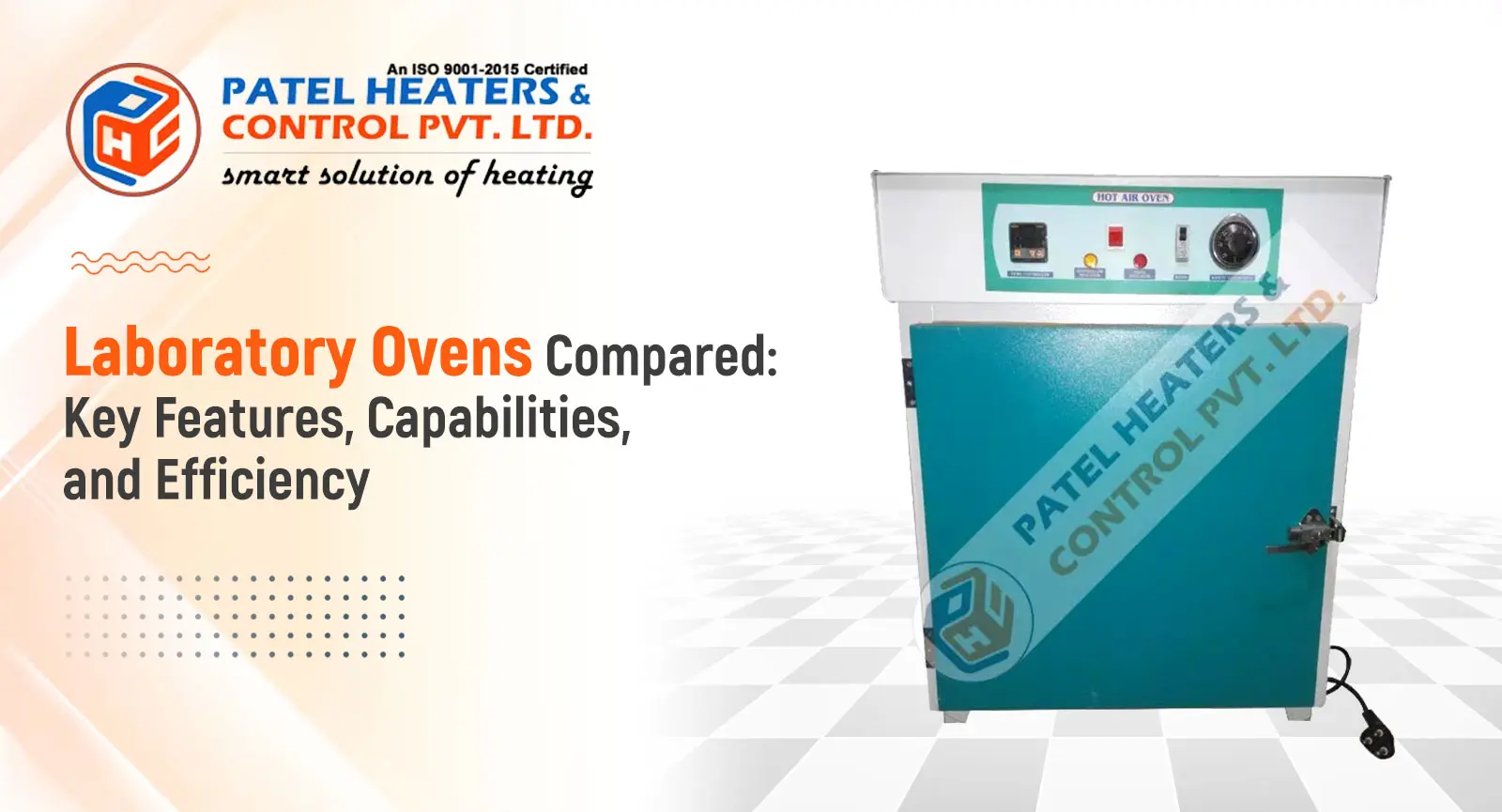
Laboratory ovens are equipment used in most clinical, forensic, electronics, material processing, and research laboratories. They enable consistent and exact temperature control for heating, baking, evaporating, sterilizing, testing samples, and other industrial laboratory tasks. The most popular ovens, which are employed in the domains of chemistry, biology, pharmaceuticals, and forensics, vary in temperature from ambient to around 300°C. Lab ovens are available in different types that we will discuss in this blog post today.
Different Types of Laboratory Ovens
Gravity Convection Ovens
These ovens are intended for use in situations where a fan or other airflow would not interfere with the heating process, such as processing lightweight materials or powders. They need less temperature consistency than other types of laboratory ovens that use mechanical convection.
Gravity ovens employ perforated stainless steel shelves to create a unique natural air convection supply, eliminating the need for blowers to ensure temperature constancy.
Forced Air Ovens
They use a blower fan to pump heated air across the oven chamber. Similar to a furnace, hot air is routed through a duct system that distributes it uniformly across the chamber.
Vacuum Oven
Vacuum lab ovens are designed to remove moisture, gas, and other potentially volatile chemicals while preventing chemical reactions. A vacuum oven’s vacuum chamber serves as the primary drying mechanism. This lowers the boiling point of most substances, allowing liquids to evaporate at cooler temperatures.
Heavy-Duty Ovens
These laboratory oven types are commonly used in industrial applications to test soils/aggregates and dry biological samples.
Standard Digital Ovens
These ovens are designed for heating and drying, with temperature control and safety features.
High-Temperature Ovens
Custom-built ovens with temperatures above 500°C that include insulation on the oven’s walls and doors.
Primary Use of Laboratory Ovens in Several Industries:
Annealing
Annealing is the process of heating and then cooling a material, such as glass or steel, in order to reduce hardness while increasing flexibility. This technique involves the use of high-temperature ovens, which are commonly utilized in the metallurgy, medical device production, and material science sectors. These annealed materials are easier to cut and shape, making them suitable for the manufacture of syringes and catheters.
Die bond curing
Lab ovens cure items by drying and baking them to harden their chemical makeup. This process produces epoxies, glues, plastics, and rubbers for application in polymer research, nanotechnology, and semiconductor manufacturing. The improved bond strength is also extremely beneficial for directly attaching components to circuitry, which are commonly employed in military, space, and medical systems.
Drying
The most typical application of laboratory ovens is drying, which eliminates moisture from materials, samples, and so on. Several sectors, including environmental, therapeutic, and biological, use forced-air ovens, vacuum ovens, and gravity convection ovens for traditional drying. These ovens remove moisture from samples while lowering water’s boiling point, allowing laboratory samples to be dried at lower temperatures.
Baking
The goal is to progressively heat the samples without drying them out. This is best performed by keeping the exhaust outlet closed. The other critical feature of this procedure is limiting heat loss since the heated air keeps the necessary moisture. As a result, ovens use a special type of wrap-around insulation that eliminates seams and holes for air to escape.
Sterilising
In its most basic form, laboratory ovens may be used to sterilize lab equipment and glassware. When carried out in a hot air oven, the optimal temperature is at least 160°C, with contents monitored at this temperature for 45 to 60 minutes.
Summary
Laboratory ovens vary widely in design, features, and capabilities. Key factors to consider are the type of convection (forced air, gravity, or vacuum), build quality, and suitability for your specific lab application. If you are looking for customized lab ovens, contact Patel Heaters. We build a wide range of industrial ovens according to the requirements of our customers. Discuss your specifications or business needs with our team now.

Patel Heaters
Patel Heaters and Control has immense expertise in the manufacturing of Industrial heaters and heating elements. We have been providing heating solutions to our clients since 1982.