

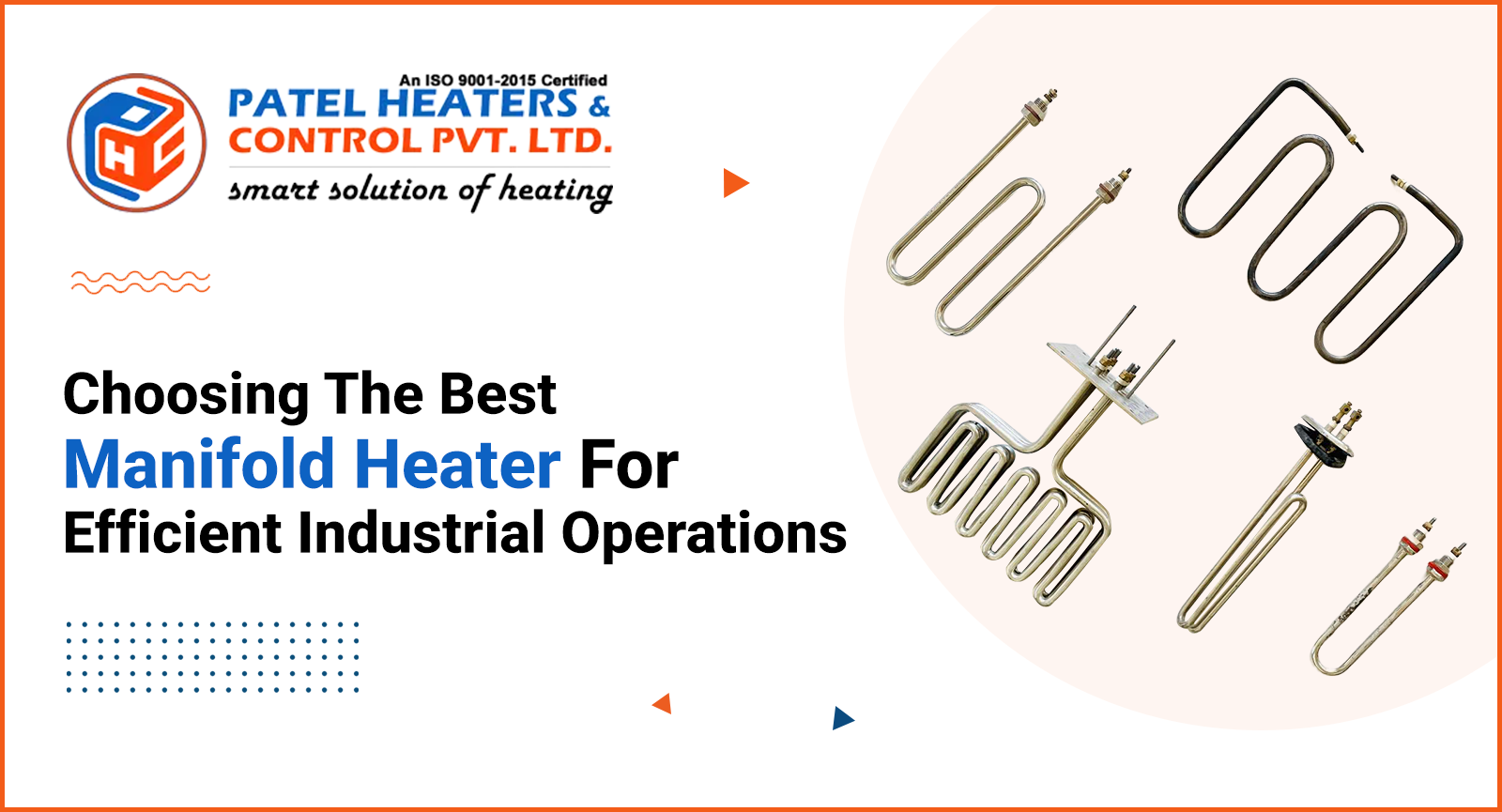
Choosing the Best Manifold Heater for Efficient Industrial Operations
If you work with plastic processing or hot runner systems, you already know that keeping heat consistent is arguably the toughest part of the job. The moment your temperature drops or becomes uneven, your entire production line hits a wall. That is exactly why a high-quality Manifold Heater is a non-negotiable part of the setup. These aren’t just generic heaters; they are specifically shaped to snake through the complex paths of a manifold, ensuring your material stays at the perfect melt temperature from start to finish. This blog shares how to find the right heater for your industrial use along with its features and uses.
What is a Manifold Heater?
This heater is used to keep certain metal parts of a machine hot, mainly the ones that carry material like melted plastic. This material needs to stay in liquid form while moving through the system.
Now imagine if the heat drops for even a short time. The material can start to harden, block the flow, and slow everything down. That’s the kind of problem this heater is meant to avoid.
In real factory conditions, things don’t always go as planned. Machines run for long hours, and temperature can go up and down.
If heating is uneven, the final product may not turn out right. Sometimes you get defects, sometimes extra wastage. And in many cases, the machine has to be stopped and adjusted again.
So yes, a proper heating setup is not just helpful—it saves time, effort, and cost.
How to choose the right one?
Before you pick a Manifold Heater, keep these practical points in mind:
Durability: The heater should be durable—it’s going to run for long hours. Look for high-quality material such as high-grade alloy or stainless steel. If the material is cheap, it won’t handle the constant heating and cooling cycles of a double shift.
Heat distribution: It should be even, otherwise it defeats the purpose. Look for units designed for excellent temperature control so you aren’t constantly fighting with inconsistent melt temperatures or blocked nozzles.
Design & Fit: Also, make sure the design fits your machine setup properly. If there’s even a tiny air gap between the heater and the metal, you’ll get “hot spots” that burn out the element in a matter of days.
Supplier: And don’t ignore the supplier. A good supplier makes things easier in the long run. Buying from a manufacturer with a solid reputation means you’re getting a part that has been properly tested.
Manifold Heater Benefits in real use
Talking about Manifold Heater Benefits, the first thing you notice is stability. When the temperature stays steady, the process becomes much smoother.
There’s less material loss because everything flows properly. Production also becomes faster since you don’t have to stop the machine again and again.
Another thing people often notice is better energy use. A well-designed heater doesn’t waste power, it just does its job efficiently.
Where are these heaters mostly used?
You’ll mostly see manifold heaters in places where materials are melted and need to stay that way. For example:
- Plastic molding units
- Injection molding machines
- Packaging industries
- Manufacturing setups using heated materials
Basically, wherever temperature control is important, these heaters are involved.
Final thoughts
A manifold heater might not look like a major component, but once you understand its role, you realize how important it actually is. It keeps the process stable, reduces problems, and helps machines run the way they should.
If you’re looking for a dependable option for bulk requirements, Patel Heaters & Control Pvt. Ltd. is worth considering. They focus on delivering consistent quality, which is what most industries actually need.
At the end of the day, it’s simple—when your heating system works properly, your overall operation becomes much easier to manage.
Patel Heaters
Patel Heaters and Control has immense expertise in the manufacturing of Industrial heaters and heating elements. We have been providing heating solutions to our clients since 1982.