



Oil Immersion Heaters
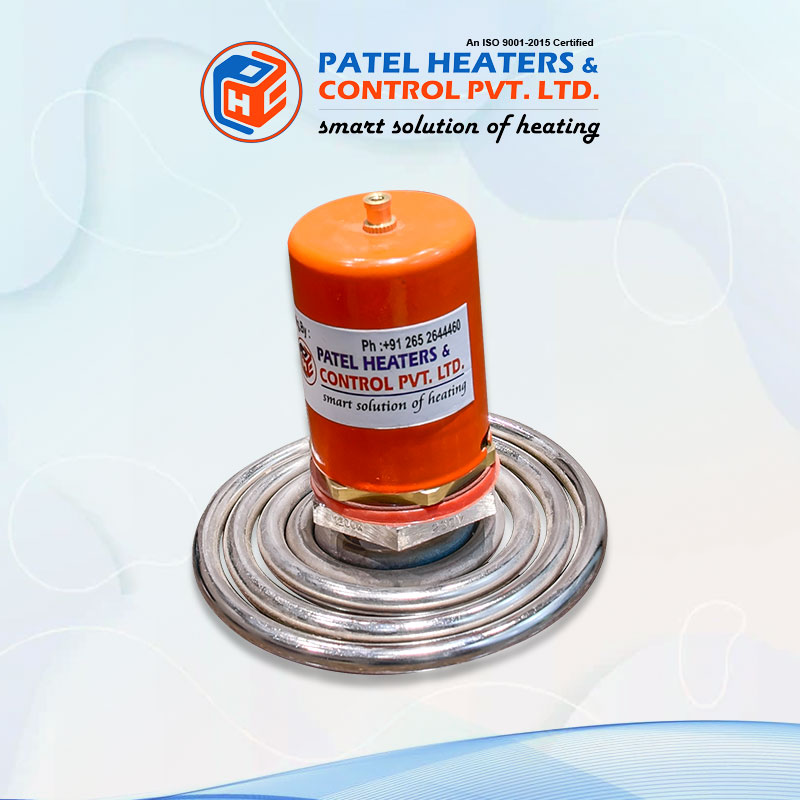
Oil Immersion Heater which we manufacture and supplied is one among the most refined kinds in industrial heaters.

For Your Service
(+91) 992-582-2226



Description
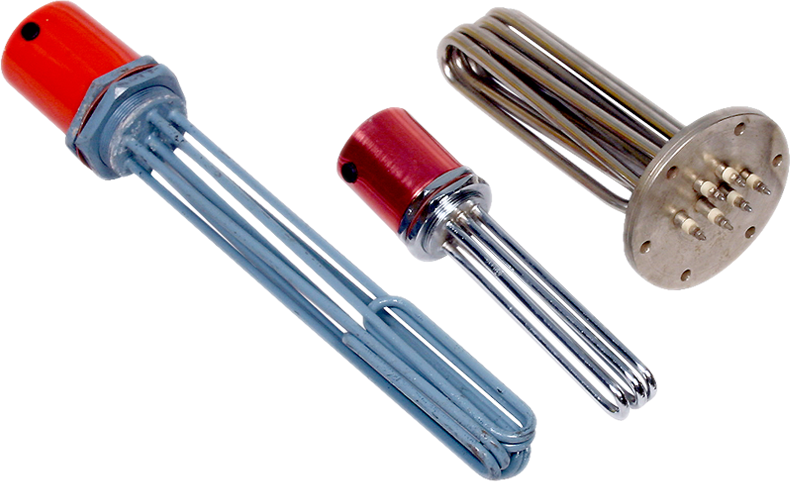
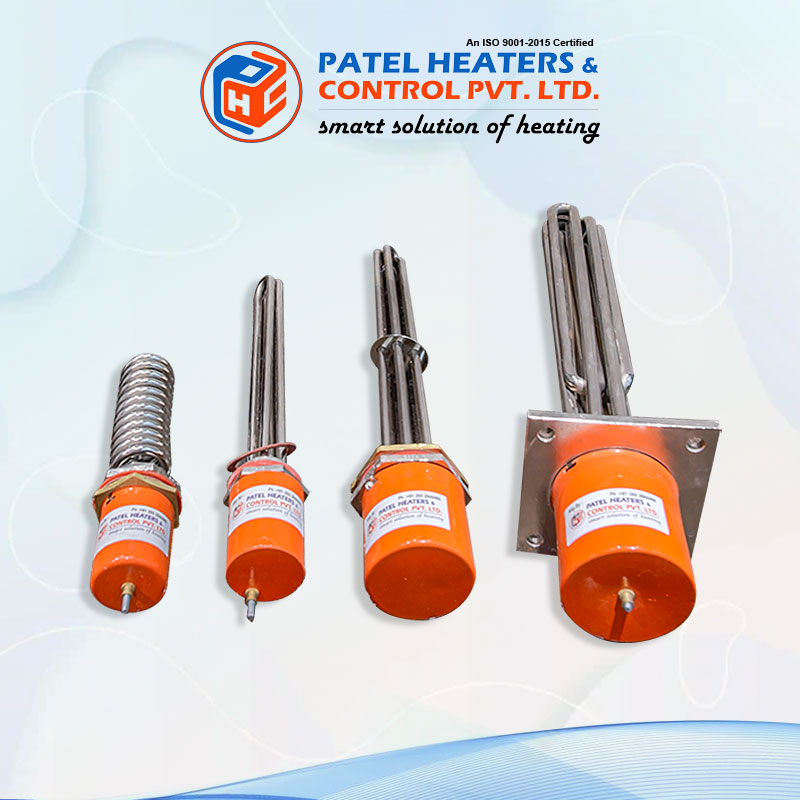
- Lead bonded pipe with clamp plate
- S.S, Titanium, Glass or Silica cover used for immersion heater.
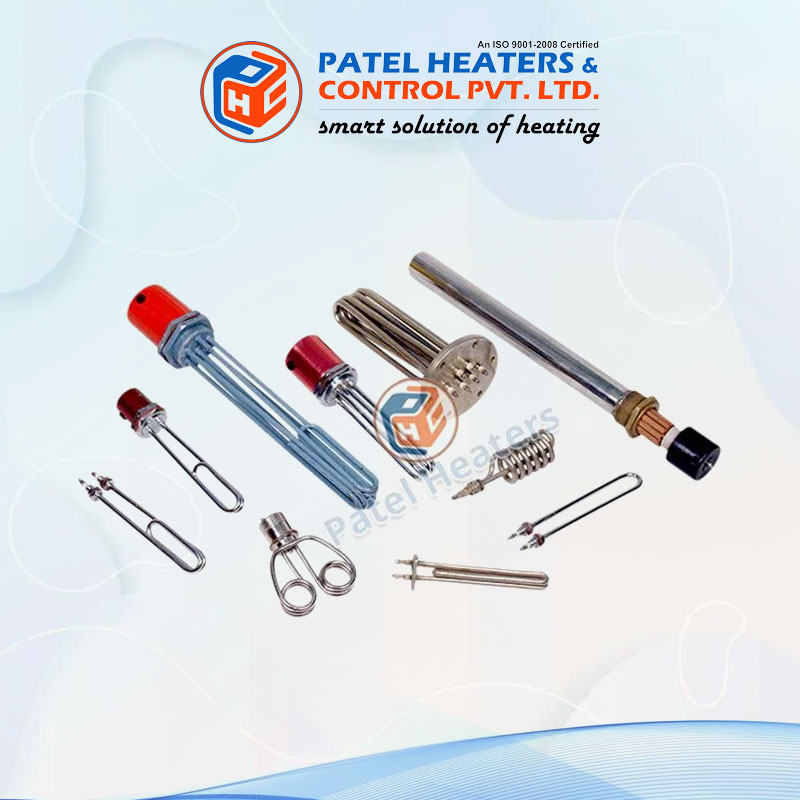
- These heaters constructed in S.S., Incoloy 800, Inconel 600, Copper, Titanium,
Alkaline etc.

Application
- pharmaceutical Industry
- In water, oil & chemical tank & vessels.
- In anodizing and plating baths etc.
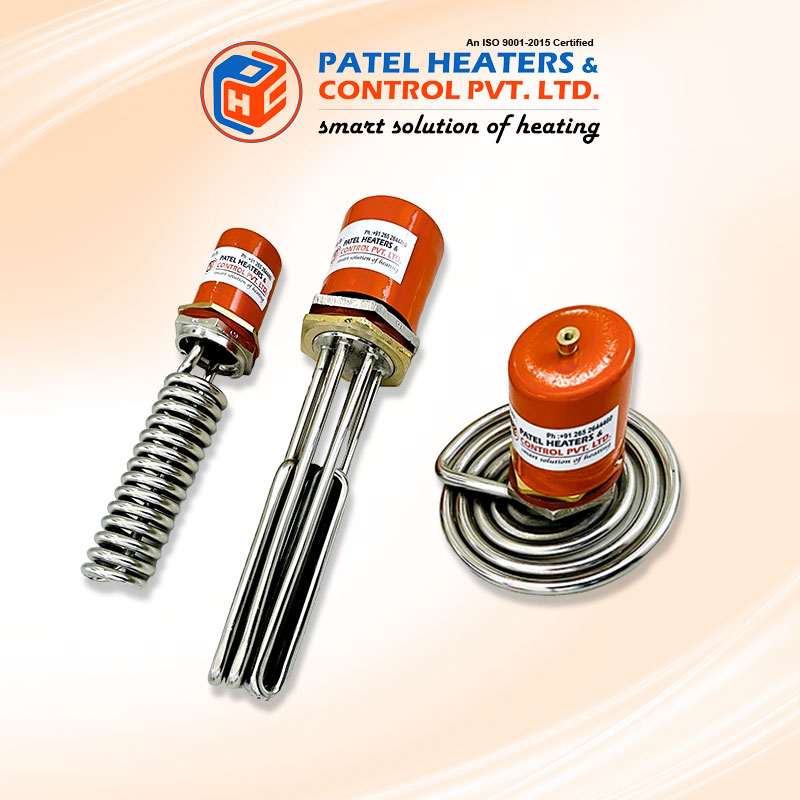
- Made as per required size and shapes.
Know More
Explore The Unmatched Quality of Oil Immersion Heater
Ordering Info. Required
- Tank Size
- Immersion Length.
- Volt & Wattage Require
- Application Material
- Flange size Or Thread Size
- Drawing or Sample required for special configuration
Frequently Asked Questions
Tank size, immersion length, and the voltage and wattage that you want. Also mention the material you’re heating and whether you need a flange or a thread size. Got a drawing or sample for a special configuration? Send that along too; it saves a lot of time for planning and the initial setup.
Depends entirely on how your tank is set up. A round flange suits most standard tank openings; a square flange works better where the mounting or the vessel design calls for it. Tell us your tank’s opening shape and size, and we’ll point you to the right one.
A few options here, S.S., Incoloy 800, Inconel 600, copper, titanium, and alkaline-resistant grades among them. The cover itself can be S.S., titanium, glass, or silica. Which one works best comes down to what you’re heating, since some liquids are harsher on certain materials than others.
Yes, it’s actually one of the industries these heaters are regularly used in. Pharmaceutical applications often need precise, clean heating without contamination risk, and the material options available let us match the heater to whatever hygiene or compatibility standard your process requires.
Yes, it’s a fairly common application for this heater. Anodizing and plating baths carry chemical solutions that need steady heating, and the heater material gets chosen specifically for that; something that won’t react or wear down under constant contact with the solution.
Yes, that’s actually one of its strong points. It’s built for applications that need larger wattages, so heating happens faster instead of dragging on. If your process needs quick heat-up across a big tank, this heater’s usually a solid fit for it.
Both, actually. These heaters are built to work across water, oil, chemical, and gaseous states inside tanks. The construction stays largely the same; what changes is the material selected, based on the exact substance and its behavior under heat.
Check the clamp plate first; a loose fit there can cause poor contact and slower heating. Scale or residue on the heater cover can also slow things down over time. If everything looks clean and secure, but heating’s still off; the element inside may need a check.
Yes, a lot of orders are received this way. These heaters are made as per the size and shape required for your tank, so sending a drawing or sample upfront usually gets you a heater that fits the first time around.
Check the clamp plate and cover once in a while, more often if it’s running constantly. Hard water or certain chemicals will leave scale behind, so clean that off before it builds up. And keep the heater fully submerged whenever it’s switched on; running it dry wears it down fast.