



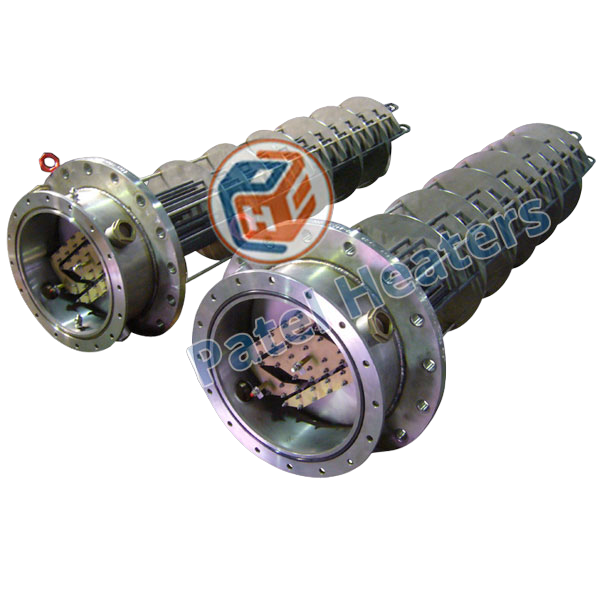
Process Heater
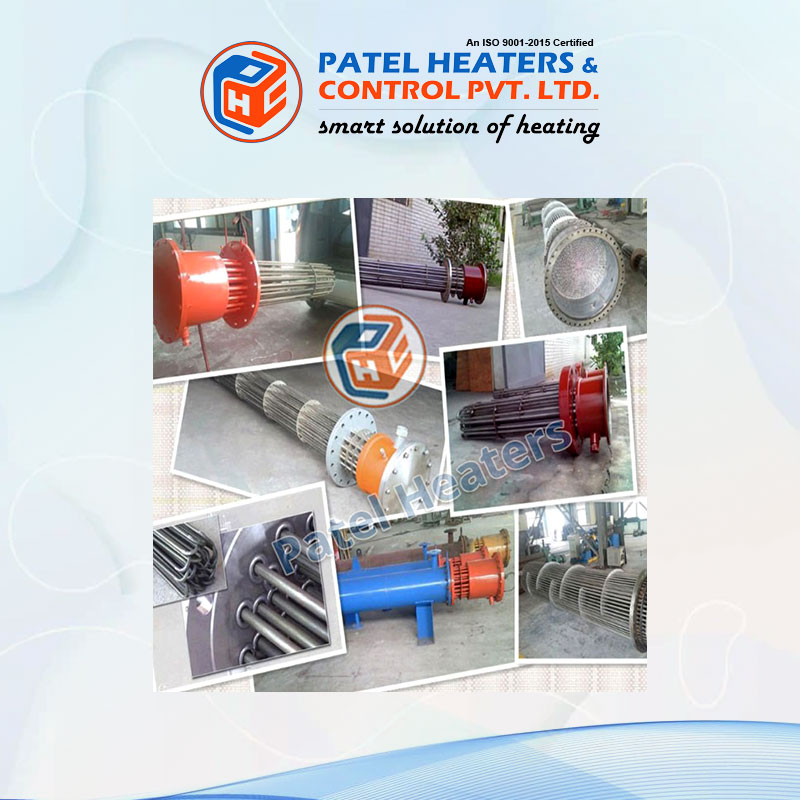
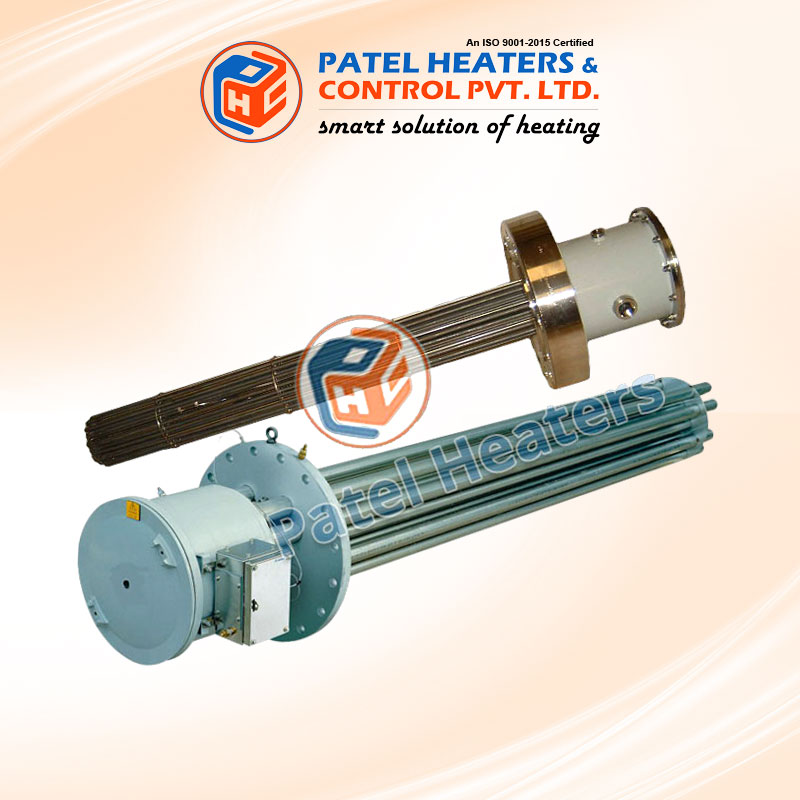
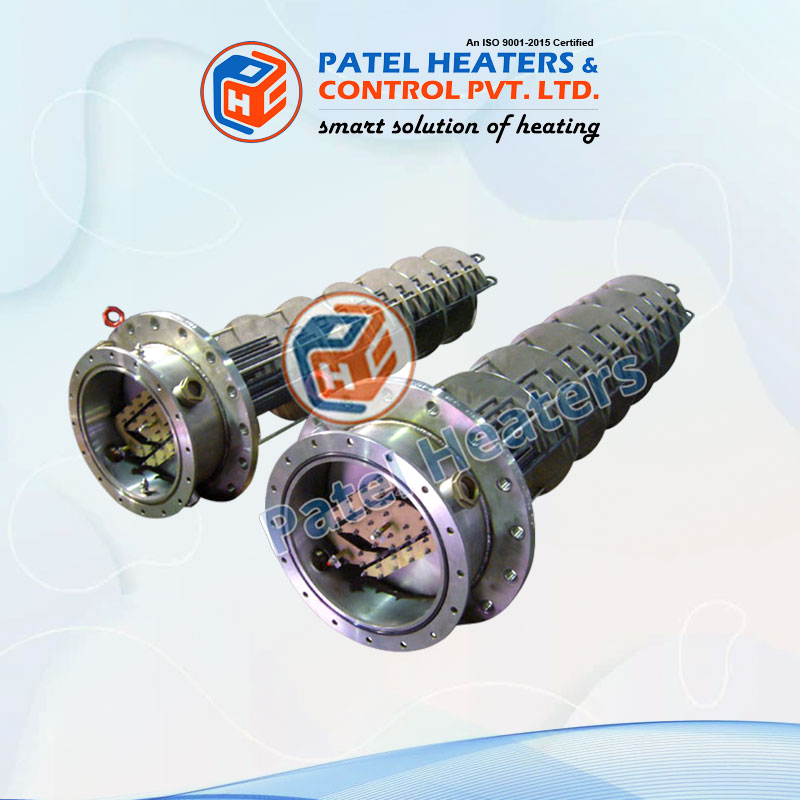
We manufacture a full set of process heaters which are designed perfectly to heat any kind of fluid product with the help of heater.

For Your Service
(+91) 992-582-2226


Design Features
- Modular solution
- Compliance to industry standards
- Single source system responsibility
- Harmonized heater / control operation
- Fit within space limitations
- Eliminates job-site wiring
- Interconnected process heater and control panel
- Integration of temperature sensors and instrumentation
- Complete control and sensing scheme
- Horizontal or vertical mounted process heater
- Ideal for mobile applications and transport
- Allowance for installation of pumps, piping, etc.
- Allows complete, quick integration at the job site
- Un-classified and hazloc classified solutions
- Compliance to safety requirements as needed
- AMSE pressure vessel and piping code compliance
- Matched pair process heater and temperature control panel
Know More
Get The Ultimate Heating Solution For Your Industry
We have a range of options in process heaters with us which enable our clients to choose the best one that matches to their needs. There are various names been given to these heaters like booster heaters, reboilers and water bath heaters. So clients go through the options we have with us to offer them and buy the one that fits to their budget.

Application
- Water Heating
- Process Air & Gas Heating
- Process Chemical Reactors
- Steam Superheating
- Lube Oil & Fuel Oil Heating
- Hydraulic and Heat Transfer Oils
- Caustic Solution Heating
- Water-Glycol Solution Heating
Frequently Asked Questions
Tell us the fluid you’re heating, whether it’s liquid or gas, and the flow rate or heating load you need. Mounting orientation and whether the site is hazardous-area classified matter too. Share the application, water heating, steam superheating, chemical reactors, or whatever it is, and we’ll size the process heater around that.
A process heater heats the product directly, with no in-between fluid carrying the heat over. That’s the main difference. Thermal fluid heaters warm a separate fluid first, which then transfers heat elsewhere; a process heater skips that step entirely and puts the heat straight into what you’re processing.
The range covers water, process air and gas, lube oil, fuel oil, hydraulic and heat transfer oils, caustic solutions, water-glycol solutions, and chemical reactor fluids. Some clients call these “booster heaters” or “reboilers” depending on the use case, but the underlying heater works across most of these applications.
Yes, both options are available. Which one you go with usually comes down to space at the site and how the piping is laid out. Let us know your site constraints while ordering, and we’ll configure the mounting to fit rather than forcing a standard orientation.
Yes, both unclassified and hazloc-classified solutions are available. If your site falls under a hazardous area classification, mention this upfront, since it changes the build and the safety compliance the heater needs to meet before installation.
It can be supplied as a matched pair, a heater and temperature control panel together, with harmonized operation between the two. Temperature sensors and instrumentation get integrated as part of the same system, so you’re not stitching together separate components on-site.
Yes, that’s actually one of its design strengths. The heater and control system are built to integrate quickly wherever they’re installed, which makes them well suited to mobile setups and transport applications where fixed, permanent wiring isn’t practical.
Depending on the application, you might hear them called “booster heaters,” “reboilers,” or “water bath heaters.” Different names, same underlying category of heater, just described by what job they’re doing in a particular setup.
Yes, it’s built to comply with ASME pressure vessel and piping code requirements, along with the safety standards relevant to your application. If your project has specific compliance needs, mention them at the time of ordering so we can confirm the build meets them.
Because the heater and control panel come pre-integrated as a system, most of the wiring and sensing setup is already done before it reaches your site. That means less on-site labor, fewer connection points to get wrong, and a quicker install overall.